Proxmox: When Cost Forces a Real Infrastructure Decision
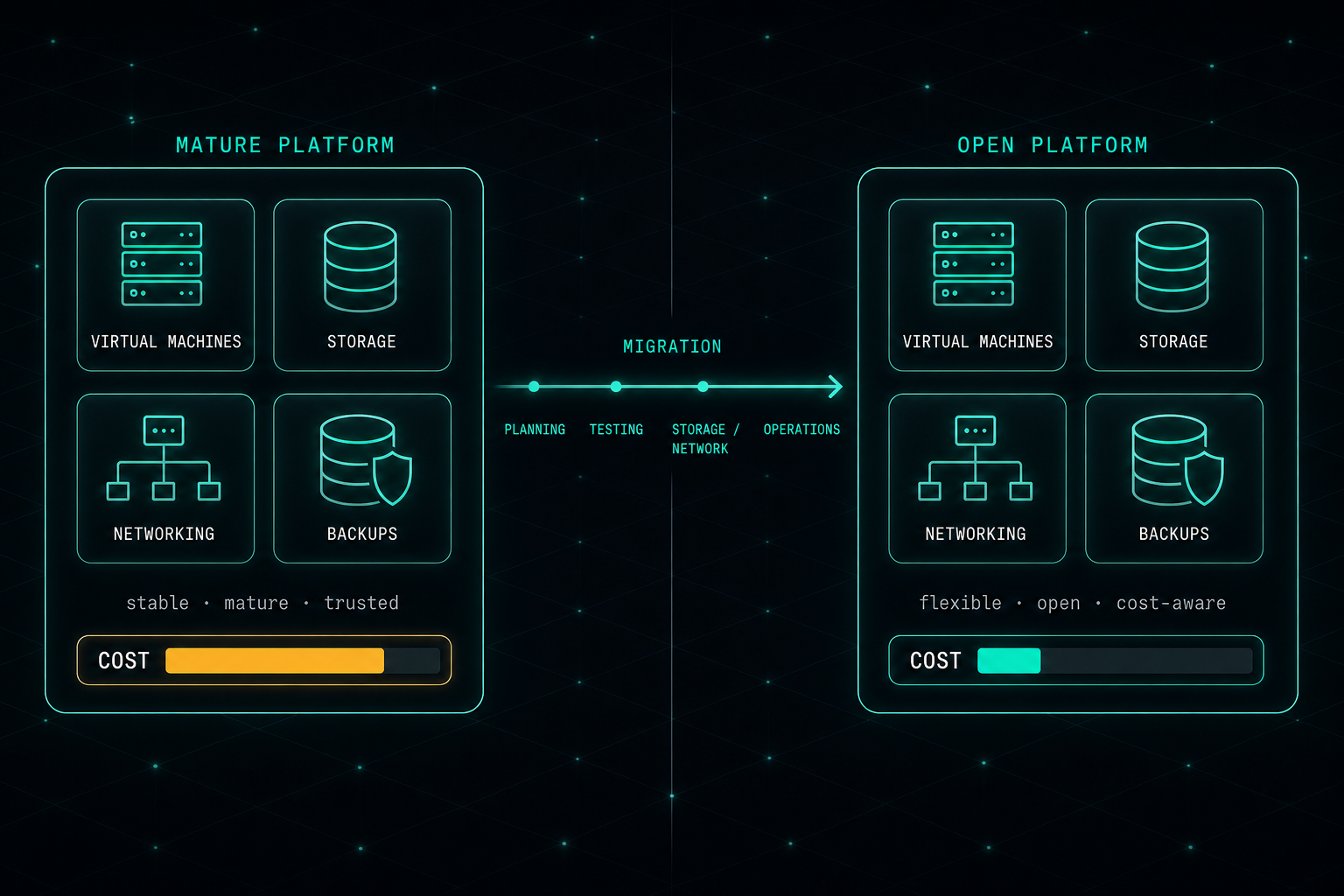
VMware is still an excellent, mature platform. But the price has changed the conversation. For many organizations, moving to Proxmox is no longer about replacing something bad with something better. It is about making infrastructure decisions that also make financial sense.
For many years, VMware was the obvious choice for virtualization.
I worked with VMware for a long time, and I still think it is an excellent product. Stable, mature, powerful, and trusted by many enterprise environments.
But at some point, the decision is no longer only technical.
The price changes the conversation.
For many organizations, especially those that need to manage budgets carefully, the cost of staying with VMware has become too heavy. Not because the product is bad. The product is still great. But infrastructure decisions must also make financial sense.
This is where Proxmox becomes interesting.
Moving from VMware to Proxmox is not always simple. The process requires planning, testing, migration work, knowledge gaps, and a different operational mindset. Some features and workflows are still not as polished as VMware, and it is fair to say that Proxmox still has a long way to go before it reaches the same enterprise maturity.
But the value is hard to ignore.
In one large customer environment, the migration was complex. There were many virtual machines, dependencies, backup considerations, storage decisions, network changes, and operational concerns. It was not a quick “next, next, finish” project.
But after the migration, the customer could clearly see the benefit.
The platform worked.
The costs were much lower.
The infrastructure team gained more flexibility.
And the business had a better balance between technology and budget.
That is the real point.
Technology must serve the organization, not only impress the engineers.
VMware is still a stronger and more mature platform in many areas. But when the budget becomes a major factor, Proxmox is no longer something to ignore.
It may not be perfect.
But for many companies, it is good enough, flexible enough, and financially smart enough to deserve serious attention.
NinjaOne RMM: Why Intune Is Not Always Enough
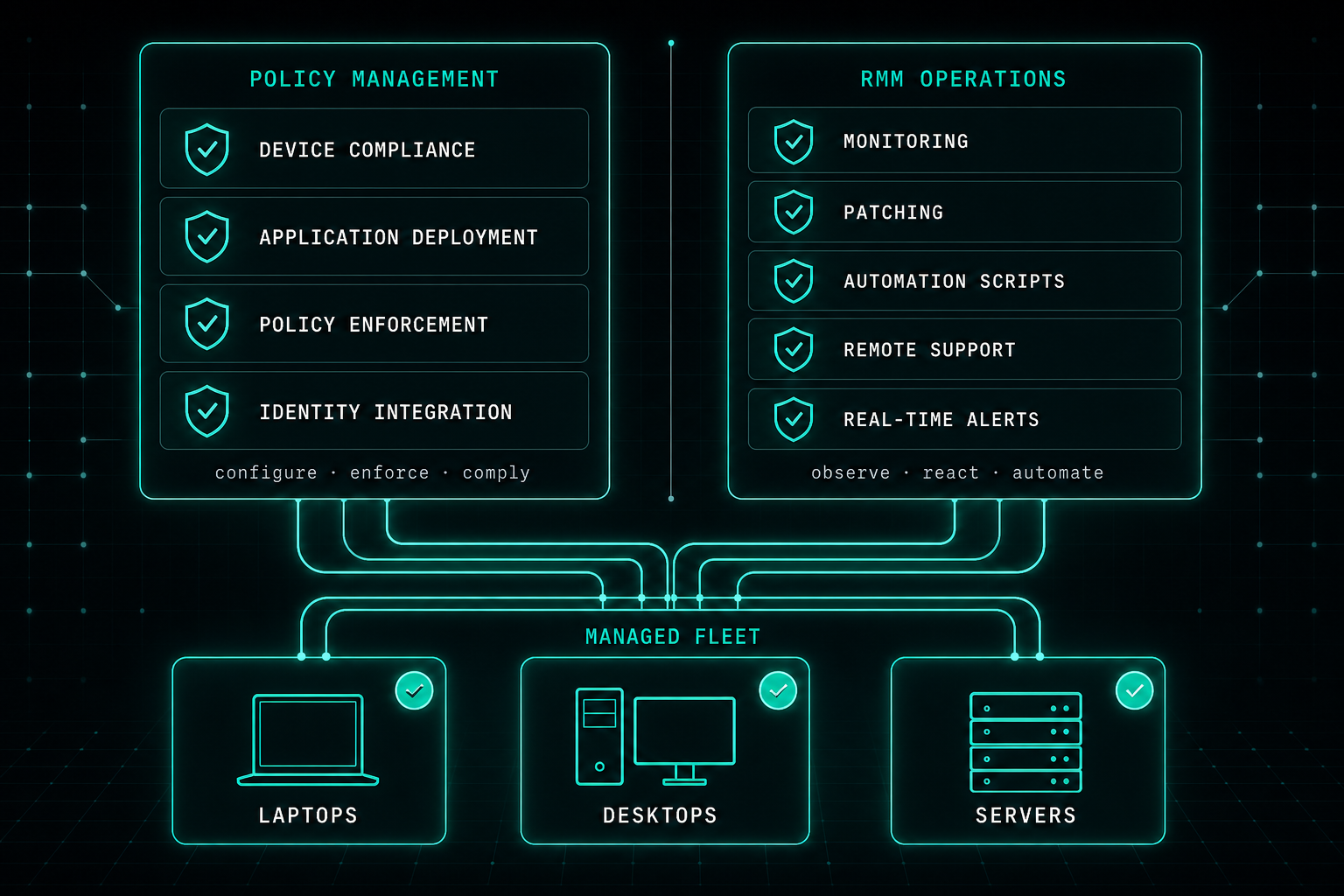
Intune is a strong platform for policy and device compliance. It does not always cover the day-to-day operational reality. RMM platforms like NinjaOne add monitoring, automation, patching, and remote support so IT teams stay ahead of incidents instead of behind tickets.
Read article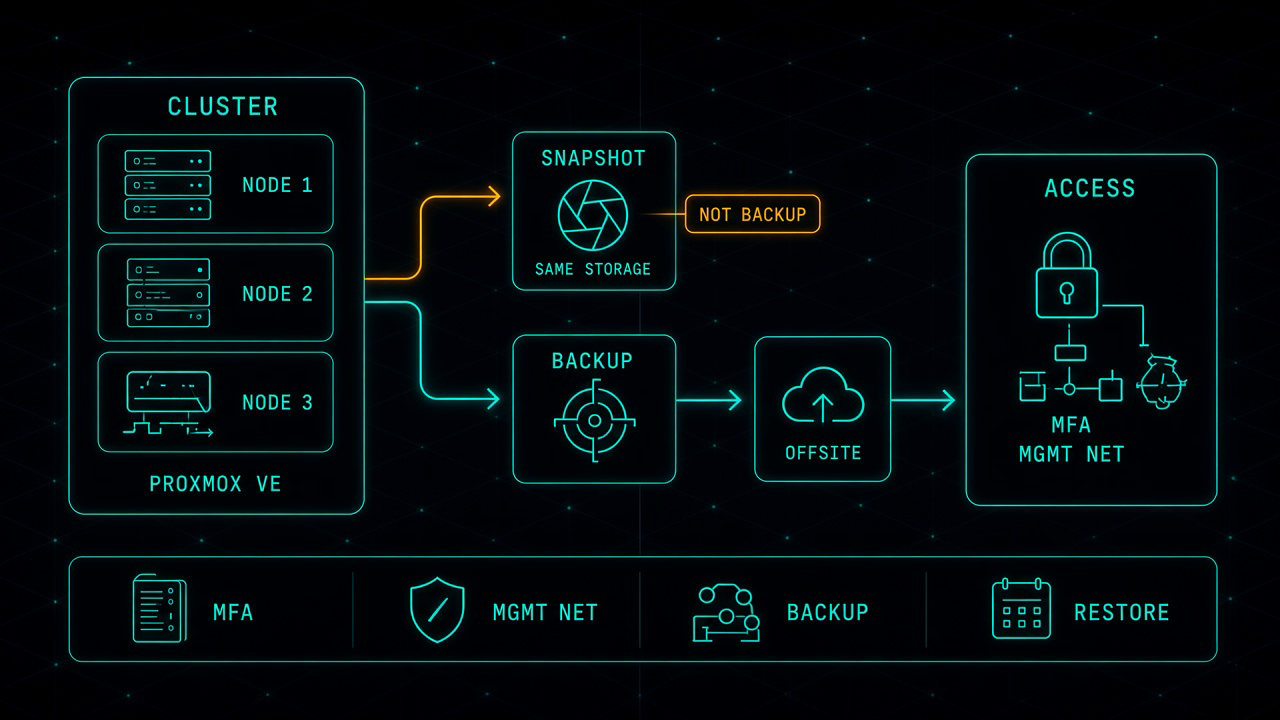
Proxmox in Production: The Work That Starts After the Move
Leaving VMware for Proxmox can be the right financial decision. It is not the finish line. After the last virtual machine lands, you own the hypervisor, the cluster, the backup, and the access path. That is where most of the real work starts.
Read article