AI Permissions: Your AI Should Follow the Same Rules as Your Users
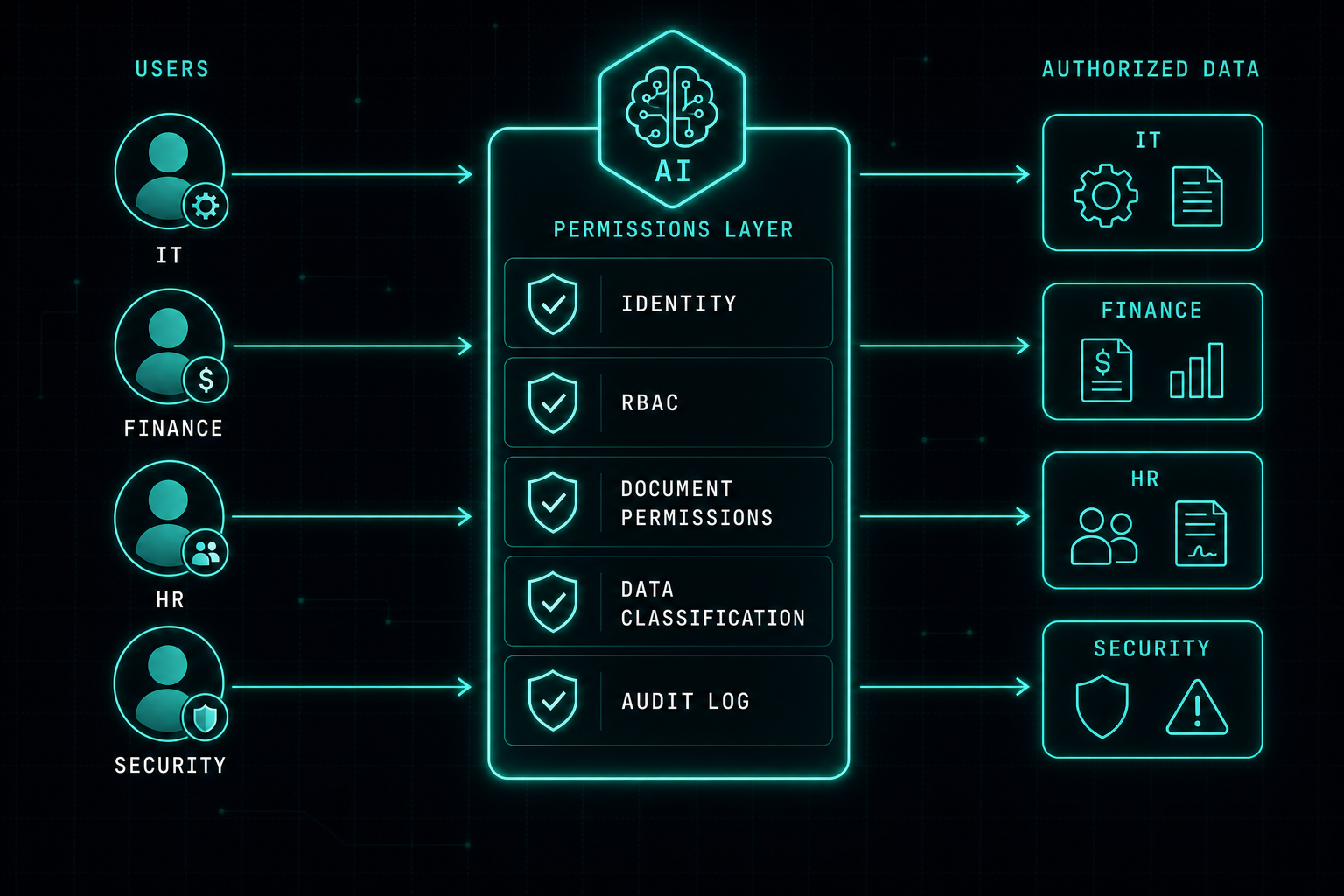
If an employee cannot open a financial document, the AI should not show them that data either. AI does not remove the need for identity, role-based access, and audit logs. It makes those controls more important.
When companies start using AI with internal data, the first question is usually about the model.
But the bigger question should be permissions.
If an employee is not allowed to open a financial document, the AI should not be able to show them that information either.
The same rule applies to HR files, customer data, source code, security reports, tickets, contracts, and internal procedures.
AI does not remove the need for access control.
It makes access control even more important.
When building RAG, local LLMs, or AI agents, the system must understand who the user is and what they are allowed to see. The answer should be based only on sources that the user has permission to access.
A good AI platform should include:
- Identity
- Role-based access
- Document permissions
- Audit logs
- Data classification
- Clear ownership of information
The goal is simple.
The AI should not know everything for everyone.
It should know the right things for the right user, based on the same permissions the company already trusts.
Shadow AI: The New Risk Inside Organizations
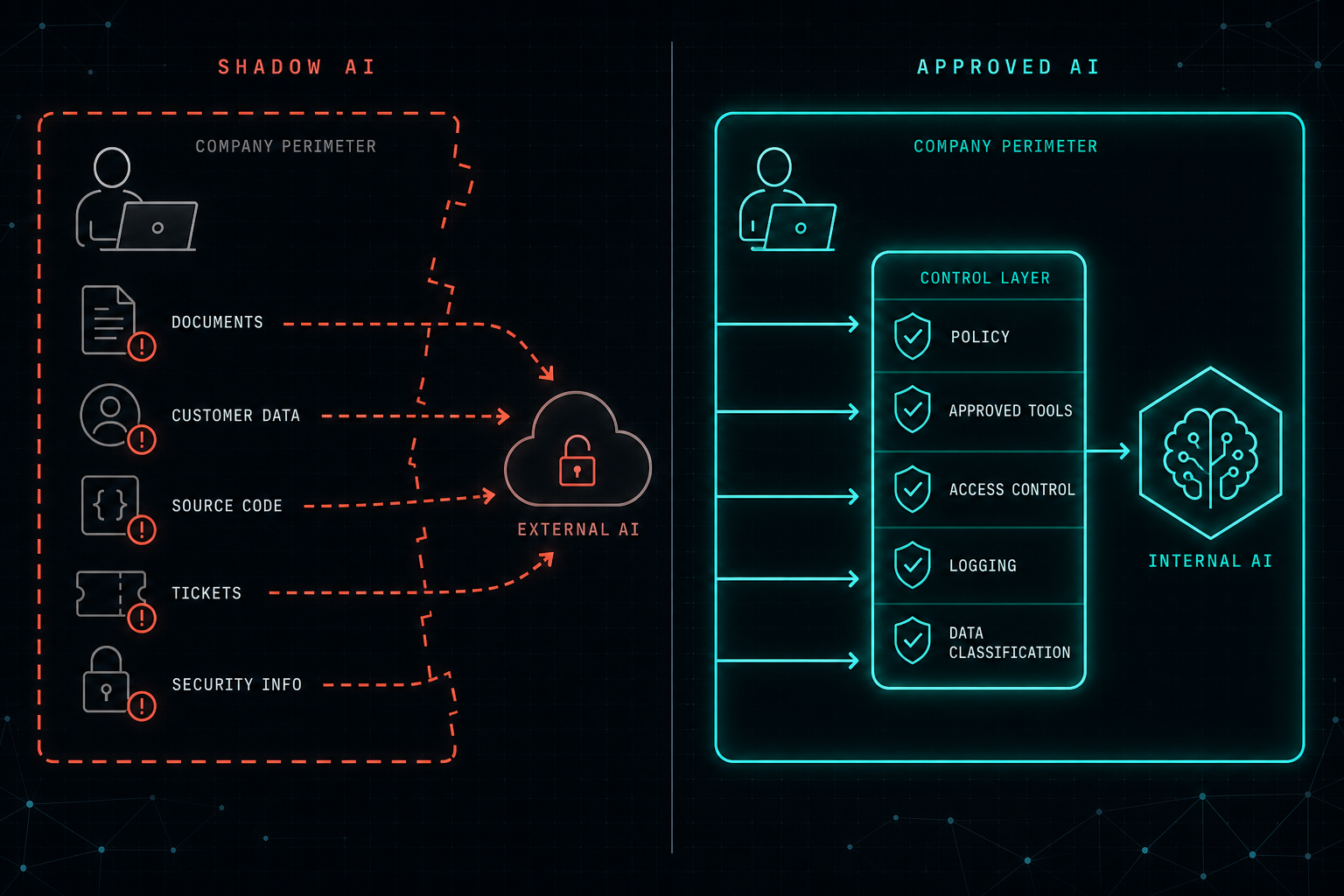
Employees are already using AI at work. When IT does not know which tools, what data, or where the conversation history lives, that is Shadow AI. The fix is to give people a safe, approved path, not to block the only tool that gets the job done.
Read article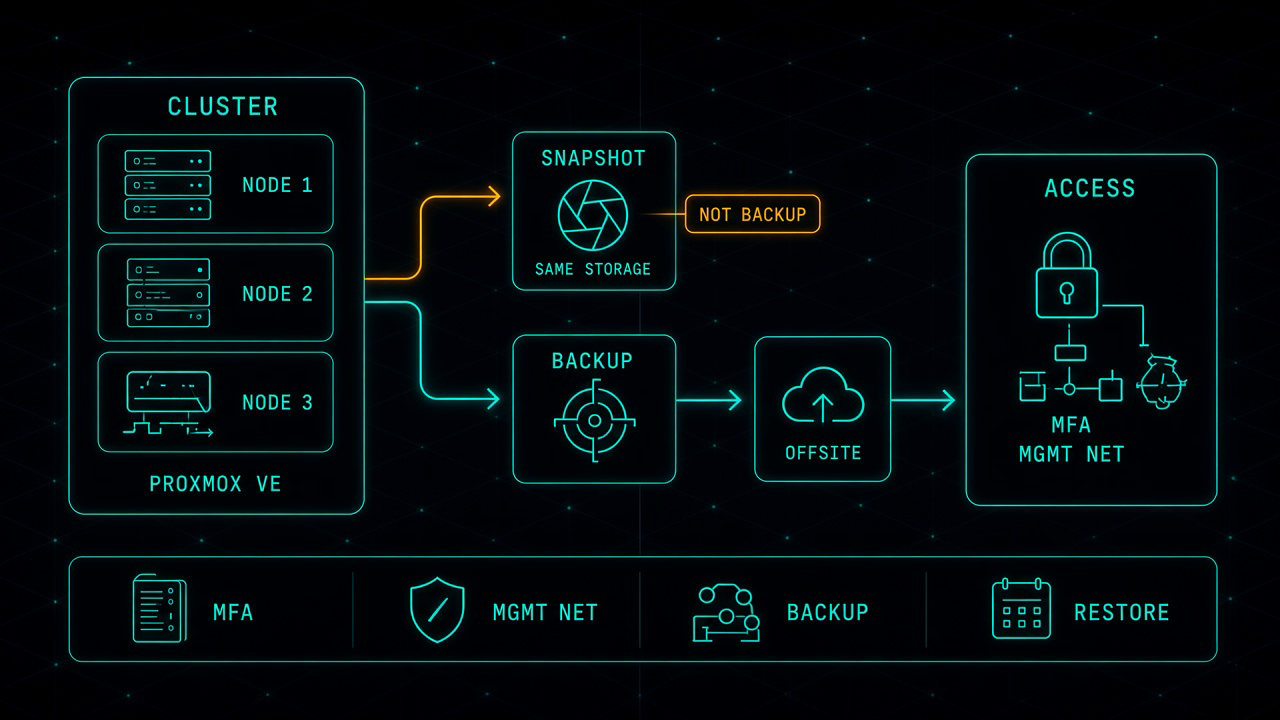
Proxmox in Production: The Work That Starts After the Move
Leaving VMware for Proxmox can be the right financial decision. It is not the finish line. After the last virtual machine lands, you own the hypervisor, the cluster, the backup, and the access path. That is where most of the real work starts.
Read article