
GraphQL: Powerful, Flexible, and Easy to Misuse
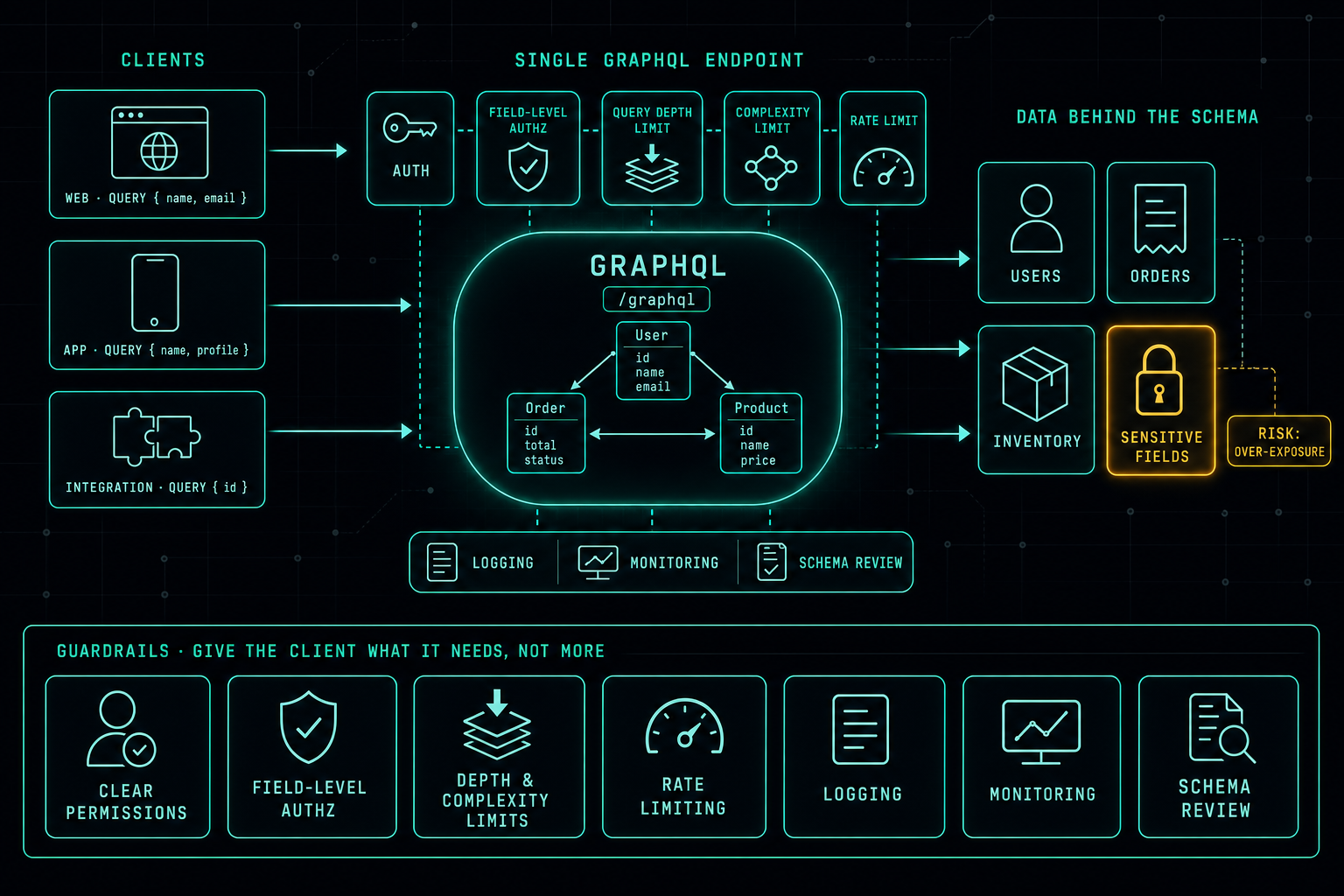
GraphQL gives clients a clean way to ask for exactly the data they need from a single endpoint. That same flexibility is also what makes it easy to over-expose. Without field-level authorization, query depth and complexity limits, rate limiting, logging, and a real schema review process, one badly shaped query can return information a user should never see, or quietly knock the backend over.
GraphQL is a powerful way to build APIs.
Instead of calling many different endpoints, the client can ask for exactly the data it needs. This makes development faster, reduces unnecessary responses, and gives frontend and mobile teams a lot of flexibility.
But this flexibility also creates risk.
With traditional REST APIs, each endpoint usually has a clear purpose. With GraphQL, one endpoint can expose many types of data through the schema. If permissions are not designed correctly, a user may be able to request information they should never see.
This is why GraphQL security must be planned from the beginning.
Authorization should not be checked only at the API level. It should also be checked at the object and field level. Just because a user can access the GraphQL endpoint does not mean they should access every field in the schema.
GraphQL can also create performance problems.
A poorly controlled query can be too deep, too complex, or too expensive for the backend to process. Without query limits, rate limits, monitoring, and logging, one request can create more load than expected.
A good GraphQL implementation should include:
- Clear permissions.
- Field-level authorization.
- Query depth and complexity limits.
- Rate limiting.
- Logging and monitoring.
- Schema review.
- Protection against exposing sensitive data.
GraphQL is not dangerous by itself.
But it must be controlled.
Used correctly, it gives teams a clean and flexible way to work with data. Used without proper security and limits, it can expose too much information and create unnecessary risk.
Proxmox in Production: The Work That Starts After the Move
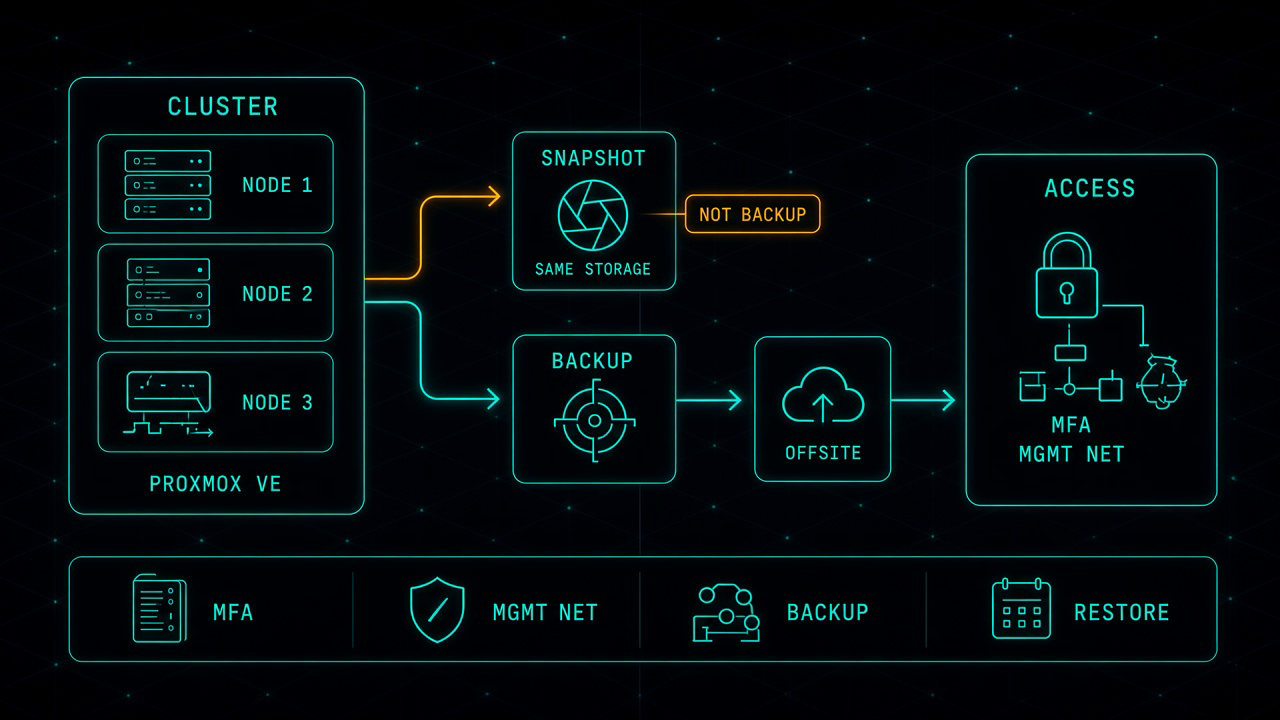
Leaving VMware for Proxmox can be the right financial decision. It is not the finish line. After the last virtual machine lands, you own the hypervisor, the cluster, the backup, and the access path. That is where most of the real work starts.
Read article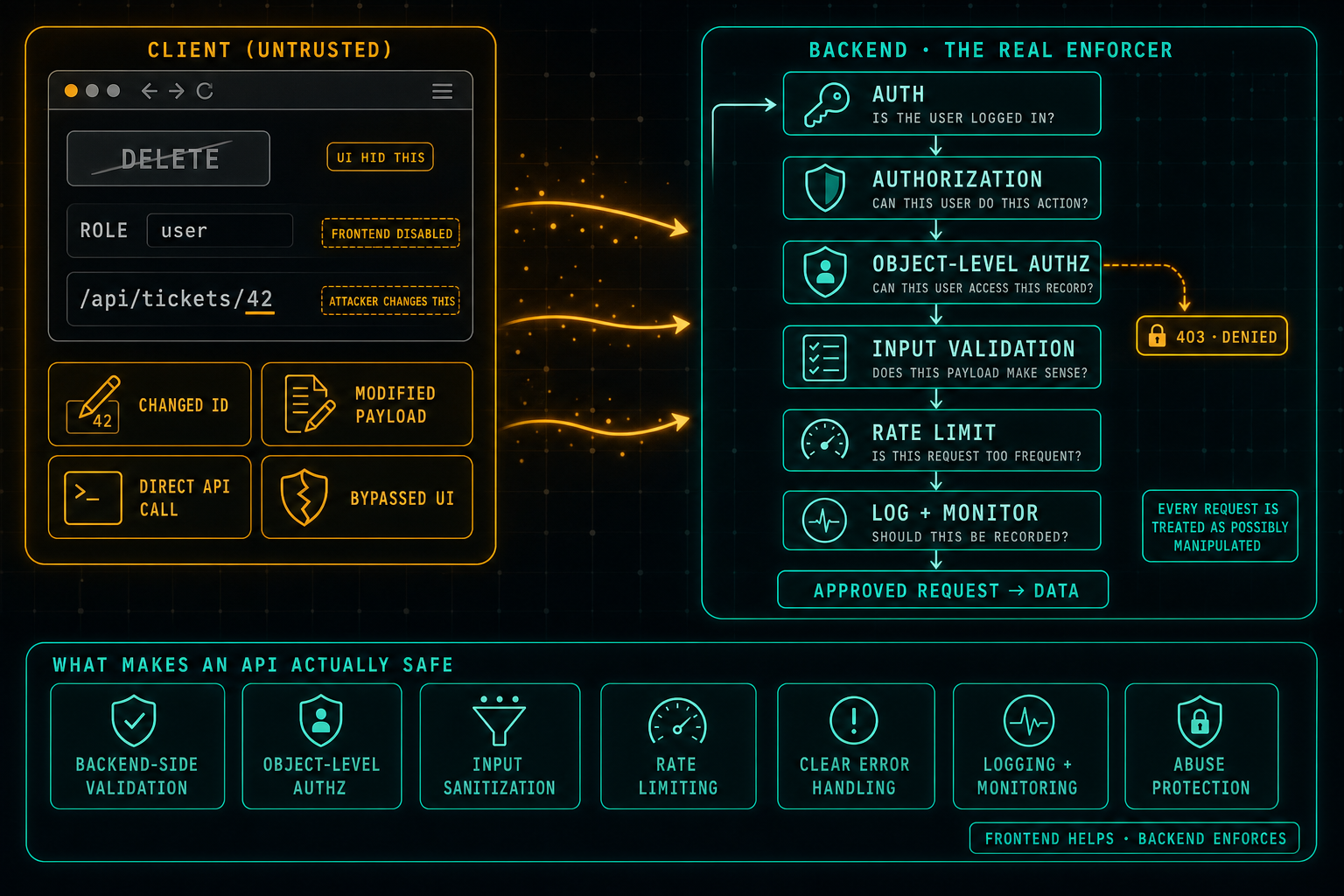
API Security: Do Not Trust the Client
The frontend can hide buttons, disable fields, and guide the user through the right flow, but anything that comes from the client can be changed. Attackers swap IDs in URLs, edit payloads, call the API directly, and bypass the UI completely. Real security lives in the backend: authentication, authorization, object-level access checks, input validation, rate limits, and logging on every request, because every request is treated as possibly manipulated.
Read article